
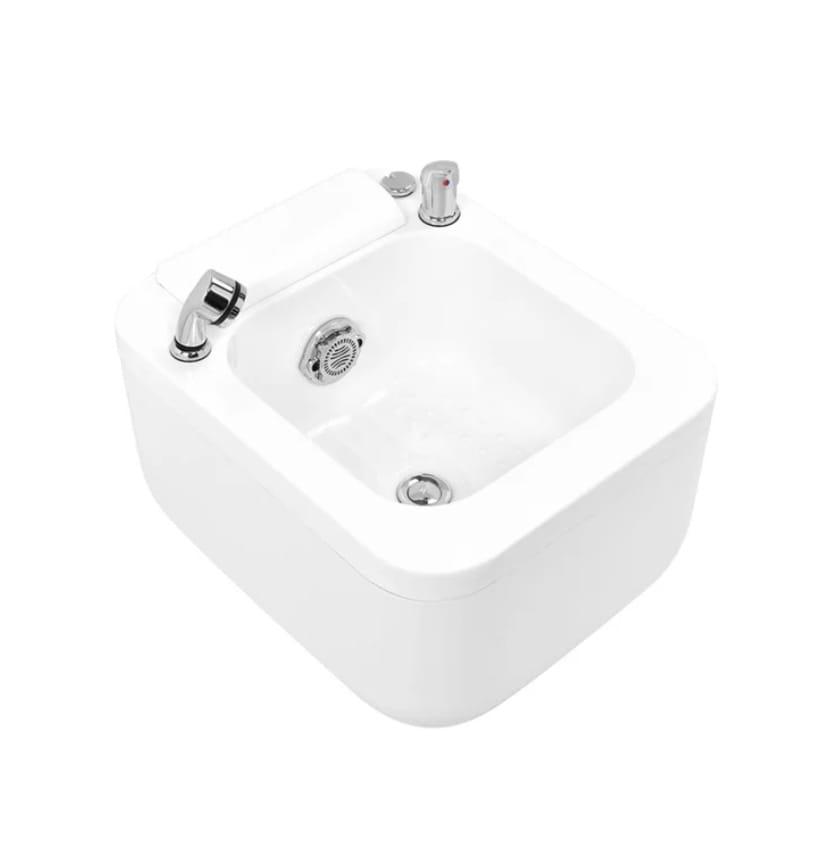
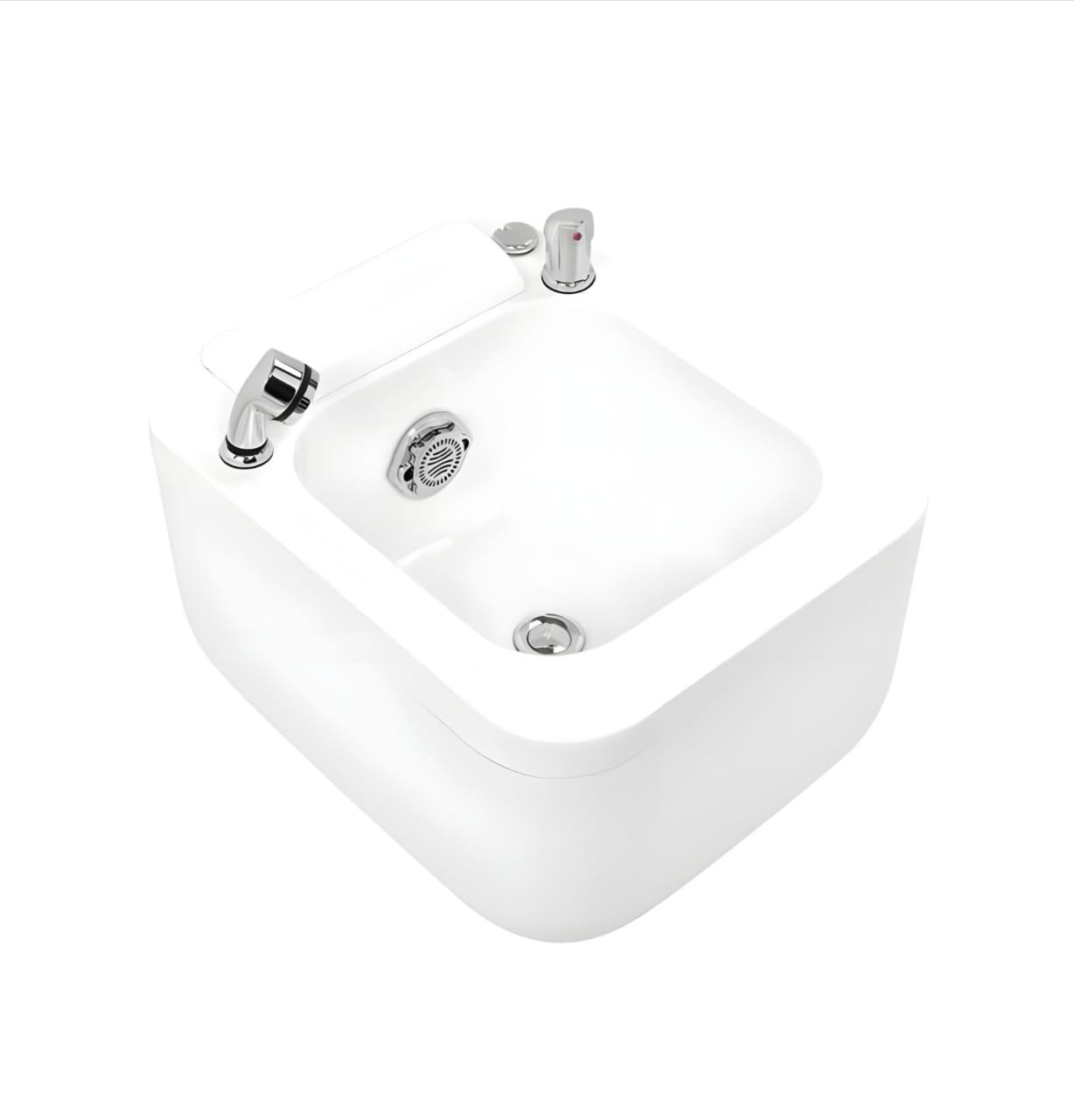
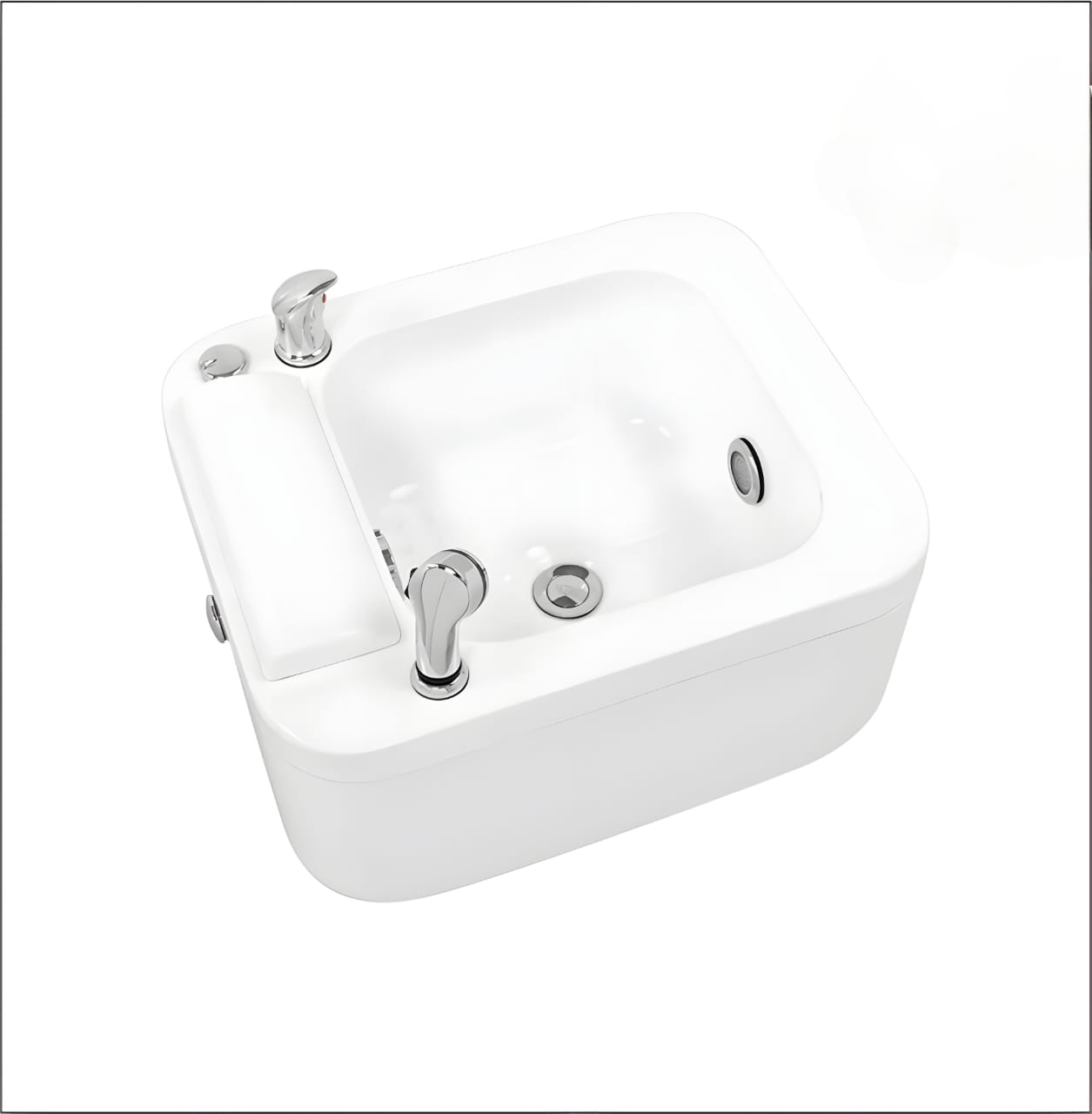
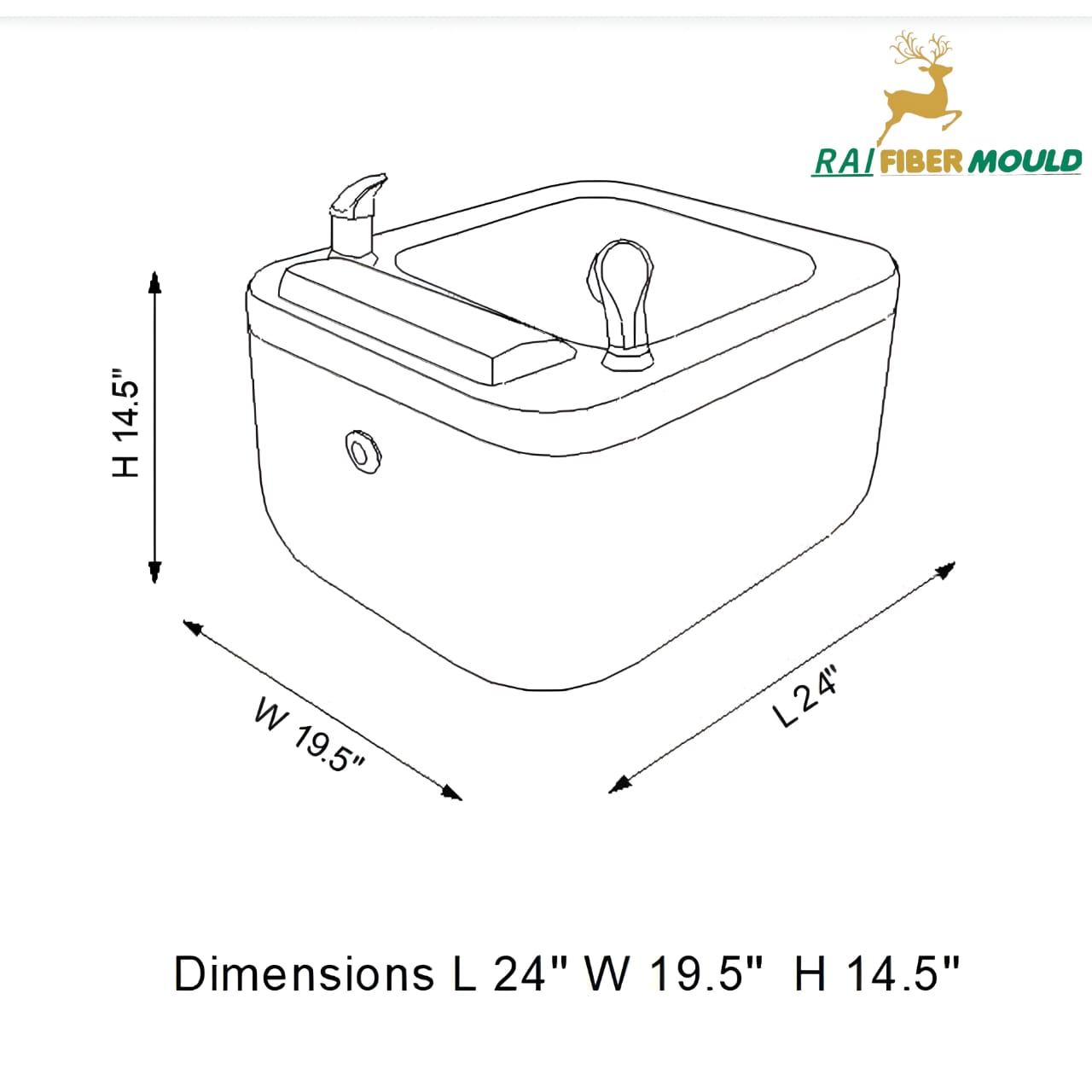
Spa pedicure jacuzzi tubs:
Gelcoat: The Surface of a Fiberglass Spa Pedicure Tub
Gelcoat is the outer, visible layer of a fiberglass composite product like a spa pedicure tub. It’s essentially a specially formulated, pigmented polyester resin that’s applied to the mold before the fiberglass reinforcement layers are laid down. When the entire structure cures, the gelcoat forms a smooth, hard, and aesthetically pleasing surface.
Key Features and Properties of Gelcoat in Pedicure Tubs:
1. Aesthetic Appeal:
Smooth, High-Gloss Finish:Gelcoat provides a very smooth, often high-gloss finish that gives the tub a sleek and luxurious appearance. This gloss can be maintained with proper caColor Uniformity: It’s pigmented, meaning the color is mixed into the resin itself, providing a consistent and vibrant color across the entire tub surface. This allows for a wide range of color options to match salon aesthetics.
Customizable: Gelcoat can be formulated with various additives to create different visual effects, such as pearlescent shimmers or granite-like textures, offering design flexibility.
2. Protective Barrier and Durability:
UV Resistance: Quality gelcoats incorporate UV stabilizers to resist fading, yellowing, and chalking over time due to exposure to light, especially in well-lit salon environments.
Chemical Resistance: It provides a protective barrier against the various chemicals used in pedicure services, such as foot soaks, sanitizers, and cleaning agents. Good gelcoat resists chemical degradation.
Water Barrier: Crucially, gelcoat acts as a non-porous barrier, preventing water from penetrating the underlying fiberglass layers. This prevents water absorption, which could lead to structural issues like blistering or delamination over time.
Abrasion and Impact Resistance:* While not as inherently flexible as acrylic, a well-applied gelcoat offers good resistance to minor abrasions and impacts from daily use in a salon setting.
Hygiene: The smooth, non-porous surface of gelcoat makes it easy to clean and sanitize, preventing the growth of mold, mildew, and bacteria – a critical factor for hygiene in pedicure tubs.
3. Manufacturing Advantages:
Moldability: Fiberglass, with its gelcoat finish, is highly moldable, allowing manufacturers to create complex shapes, ergonomic designs for seating, and integrated features like armrests and footrests in spa tubs.
Cost-Effective:* Compared to solid surface acrylic or other high-end materials, fiberglass with a gelcoat finish is generally more cost-effective to manufacture, making these tubs more accessible in various price ranges.
Lightweight: Fiberglass tubs are relatively lightweight, simplifying installation and relocation within a salon.
Limitations and Maintenance:
While robust, gelcoat does have some considerations:
Porous Nature (compared to acrylic):* Over extended periods or with improper cleaning, gelcoat can become slightly more porous than solid acrylic, potentially leading to staining or dulling if not maintained properly.
Repairability: Minor scratches and chips can often be repaired with gelcoat repair kits, allowing for restoration of the surface. However, deeper damage might require professional attention.
Maintenance: Regular cleaning with mild, non-abrasive cleaners is essential to preserve the gelcoat’s shine and prevent staining or dulling. Applying a marine-grade wax or sealer periodically can add an extra layer of protection and maintain its luster.
In essence, the “gelcoat” is the hardworking, visually appealing skin of a fiberglass spa pedicure tub, providing protection, hygiene, and design flexibility that makes these tubs a popular choice in the beauty industry.
Reviews
There are no reviews yet.